

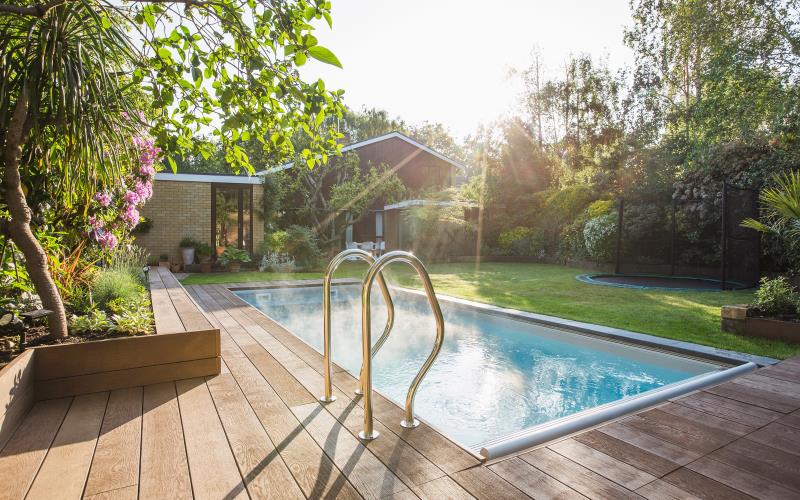
Planning to add a pool to your property can be an exciting endeavor and provide a refreshing oasis of relaxation and rejuvenation. However, before you imagine spending relaxing days poolside, it is important to understand the details of the pool planning permission. This often-overlooked aspect can make or break your project, impacting everything from design options to regulatory compliance. So let’s look at what you need to know before taking the plunge.
In many regions, installing a swimming pool on your property may require obtaining planning permission from local authorities. The specific regulations governing swimming pool construction vary widely depending on factors such as location, size, and design. While some jurisdictions may have relaxed rules for small, above-ground pools, larger in-ground installations typically trigger the need for approval.
One of the primary concerns driving the need for planning permission is ensuring compliance with safety and zoning regulations. Authorities want to ensure that the pool’s placement and design won’t pose hazards to occupants or neighbouring properties. Additionally, they may have guidelines in place to preserve the visual integrity of the area, especially in neighbourhoods with strict architectural standards.
Before diving into the planning process, it’s essential to research your local regulations thoroughly. This typically involves contacting your municipality’s planning department or visiting their website to review relevant ordinances and application procedures. Some common considerations include setback requirements, fencing specifications, and environmental impact assessments.
When applying for swimming pool planning permission, you’ll likely need to submit detailed plans outlining various aspects of the project. This may include the pool’s dimensions, proposed location on the property, fencing specifications, drainage plans, and any landscaping alterations. Depending on the complexity of the project and local requirements, you may also need to provide documentation such as engineering reports or environmental impact assessments.
Navigating the planning permission process can be daunting, but seeking professional guidance can help streamline the process and ensure compliance with regulations. Consider consulting with a licensed contractor or architect experienced in swimming pool construction to assist with the planning and permitting process. Their expertise can help you navigate regulatory hurdles and design a pool that meets both your aesthetic preferences and legal requirements.
In some cases, obtaining planning permission for a swimming pool may also involve public consultation or neighbourhood notification. This typically occurs in areas where the proposed project could impact neighbouring properties or the community at large. Being transparent and proactive in addressing concerns from neighbours or local stakeholders can help smooth the approval process and foster positive relationships within the community.
It’s worth noting that failure to obtain proper planning permission for a swimming pool can have serious consequences. Aside from potential fines or legal penalties, non-compliance could result in costly delays or even forced removal of the pool. By taking the time to understand and adhere to local regulations, you can avoid headaches down the road and enjoy your pool with peace of mind.
In conclusion, swimming pool planning permission is a crucial step in the process of adding a pool to your property. Understanding and complying with local regulations not only ensures legal compliance but also helps safeguard the safety and well-being of occupants and neighbouring properties. By working with knowledgeable professionals and being proactive in addressing regulatory requirements, you can turn your swimming pool dreams into a reality without unnecessary hurdles or setbacks.
Click the link below to find out more!
