

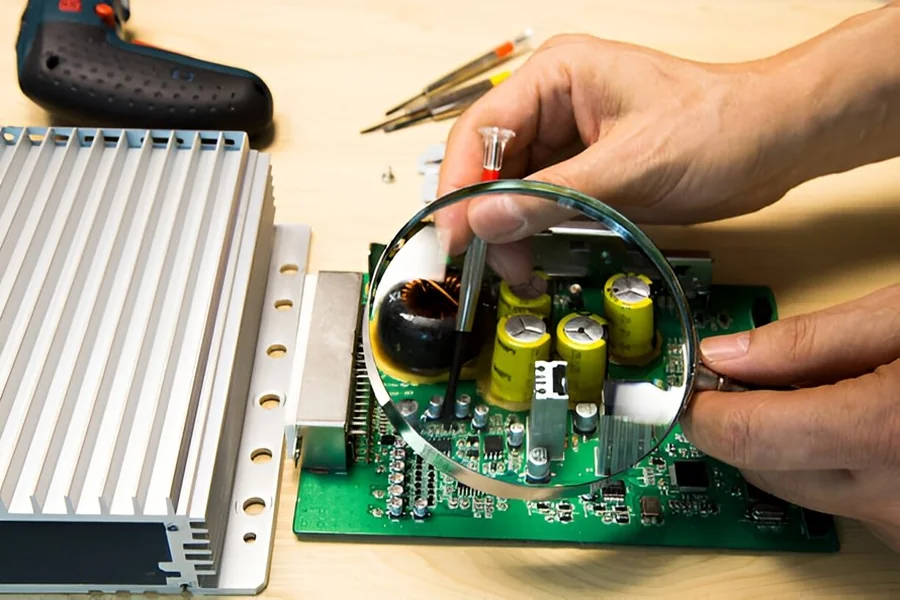
Turnkey PCB assembly has become one of the most efficient and reliable solutions in modern electronics manufacturing. Instead of managing multiple vendors for PCB fabrication, component sourcing, assembly, and testing, turnkey PCB assembly combines the entire process into one streamlined service. This approach saves time, reduces cost, minimizes complexity, and delivers production-ready boards that meet the highest industry standards.
In a competitive electronics environment where speed, accuracy, and reliability are essential, turnkey PCB assembly allows engineers, startups, and established manufacturers to focus on innovation while their manufacturing partner handles every technical step. Whether it is a prototype run, small batch, or mass production, the turnkey method ensures complete accountability and consistency throughout the manufacturing cycle.
Why Turnkey PCB Assembly Has Become the Industry Standard
Faster Production With a Seamless Workflow
Turnkey PCB assembly eliminates the need to coordinate with multiple suppliers or manage long communication cycles. When fabrication, materials procurement, assembly, and testing are all controlled by a single provider, projects move much faster. Engineers can send design files and receive fully assembled boards within a much shorter lead time. This smooth workflow reduces the chance of miscommunication, prevents component delays, and ensures that every stage aligns perfectly with the original design intent.
Reduced Costs Through Centralized Management
A major advantage of turnkey PCB assembly is the cost efficiency it provides. Since the manufacturer handles all sourcing directly, they can secure components at competitive prices from verified suppliers. This avoids inflated distributor costs and prevents issues like counterfeit or low-quality parts. Additionally, when fabrication and assembly are handled under one roof, logistics costs and material handling fees are significantly reduced. The result is a more economical and predictable total project cost.
Better Quality Control at Every Stage
With turnkey PCB assembly, quality control becomes more consistent because one manufacturer oversees the entire process. Inspection begins with design evaluation and continues throughout fabrication, component sourcing, assembly, and final testing. This reduces the risk of mismatched specifications, faulty components, and assembly errors. Centralized responsibility also ensures that any issues are quickly identified and corrected before boards reach the customer.
Key Elements of the Turnkey PCB Assembly Process
Comprehensive Design Review and DFM Analysis
The process begins with a detailed evaluation of the customer’s Gerber files, BOM, PCB layout, and engineering documents. Turnkey PCB assembly providers perform a Design for Manufacturability (DFM) check to identify potential issues such as trace spacing, pad sizes, thermal management, solder mask alignment, and component placement. Correcting these issues early prevents costly errors later in production.
Efficient Component Procurement and Inventory Management
One of the most important benefits of turnkey PCB assembly is professional component sourcing. Experienced manufacturers maintain global supply networks to source original, high-quality components efficiently. They verify availability, check lead times, and ensure that every part meets the project requirements. This reduces procurement workload and protects customers from counterfeit components—a growing concern in the electronics industry.
High-Precision Fabrication and Assembly
Once materials are secured, the PCB fabrication process begins. Turnkey PCB assembly providers use advanced equipment, automated SMT placement machines, reflow ovens, wave soldering systems, and inspection tools to assemble the boards with precision.
Both surface-mount technology (SMT) and through-hole assembly methods are managed with strict quality standards. For projects involving micro-BGAs, fine-pitch components, or high-density interconnects, the turnkey approach ensures accuracy and consistent performance throughout production.
Thorough Inspection and Functional Testing
Quality assurance is a core element of turnkey PCB assembly. Multiple inspection methods—such as AOI, X-ray, ICT, and functional testing—are used to verify that each board performs according to design specifications. By managing the entire process, turnkey manufacturers can detect and resolve problems quickly, ensuring that the final boards are reliable, safe, and ready for immediate use.
Applications That Benefit From Turnkey PCB Assembly
Startups and Rapid Prototyping
Startups and product developers often rely on turnkey PCB assembly to shorten prototyping cycles. By receiving complete boards quickly, they can test designs, adjust layouts, and prepare for market launch without delays.
Industrial and Commercial Electronics
Industrial controls, automation systems, communication modules, and power management devices benefit from the attention to detail and high reliability of turnkey PCB assembly.
Medical, Automotive, and Aerospace Devices
These fields require extremely strict quality control and traceability. Turnkey PCB assembly ensures that every step is monitored and documented for full reliability and compliance.
Why Turnkey PCB Assembly Is the Smart Choice for Your Next Project
Turnkey PCB assembly provides unmatched convenience, quality, and speed for businesses of all sizes. By centralizing design verification, component procurement, fabrication, assembly, and testing, this method removes unnecessary complexity and ensures dependable results. Whether launching a new product or optimizing an existing design, turnkey services help you achieve faster development, lower costs, and consistent performance.
If you are looking for a dependable partner who can deliver complete, high-precision manufacturing support from start to finish, choosing a trusted provider of China PCB assembly can help bring your electronic innovations to market with confidence and efficiency.
